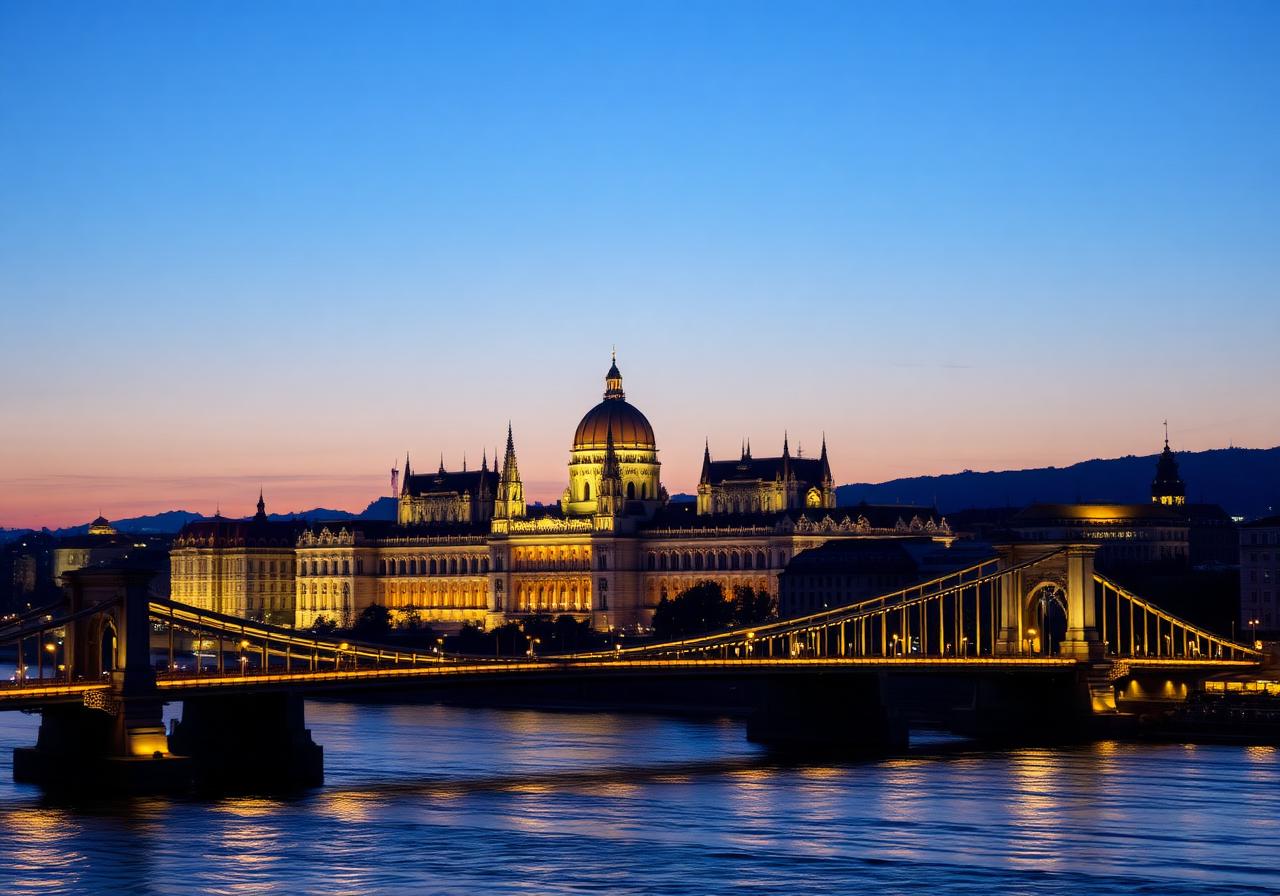
About Széchenyi Thermal Baths
A neo-baroque 1913 spa with 18 indoor and outdoor pools fed by hot springs, where locals play chess waist-deep in 38°C water. As one of the headline attractions in Budapest, Széchenyi Thermal Baths is the kind of stop most first-time visitors build a half-day around — and that returning travelers keep finding new angles on. The biggest medicinal bath in Europe.
Budapest itself sets the tone: a capital built from two halves — hilly Buda with the castle, flat Pest with the parliament — connected by nine bridges and a thermal-bath habit. Széchenyi Thermal Baths fits squarely into that story, which is why it lands on almost every shortlist of things to do in Budapest, Hungary.
What to see at Széchenyi Thermal Baths
Most visits to Széchenyi Thermal Baths center on a handful of set-pieces. Don't try to rush through all of them — pick two or three and give them real time. The highlights worth pacing yourself for include outdoor pools year-round, chess players in the warm pool, and 'sparty' parties on weekend nights.
Each one rewards a slower look. The first visit tends to be about taking in the scale; the second is when you start noticing the details that make this attraction feel like Budapest and nowhere else.
Insider tips for Széchenyi Thermal Baths
A few practical notes that locals and repeat visitors tend to repeat: bring sandals and a swim cap if you want lap lanes, lockers and towels available to rent, and closest metro: széchenyi fürdő (m1).
These aren't rules — they're just the kind of small choices that turn a decent visit into a memorable one. If you only follow one piece of advice, make it the first.
When to visit
Széchenyi Thermal Baths is open year-round, but timing your visit to Budapest well makes a real difference to what you'll experience. April–June and September–October. Summer is hot, winters dust the river with ice.
Within the day, early morning and the hour before sunset are almost always the best windows — fewer crowds, softer light, and a better chance of catching Budapest at its calmest. Midday in peak season is the trade-off worth avoiding when you can.
Getting to Széchenyi Thermal Baths
Reaching Széchenyi Thermal Baths is straightforward once you get the hang of moving around Budapest. Metro (one of the world's oldest), trams, and walking. Cross the bridges on foot.
Most visitors fold Széchenyi Thermal Baths into a longer day in this part of Budapest, so leave time on either side to walk the surrounding blocks. The approach is part of the experience.
Where it fits in your Budapest trip
Széchenyi Thermal Baths pairs naturally with the other headline stops in Budapest. A common rhythm is to combine it with Hungarian Parliament, Buda Castle & Fishermen's Bastion, and Jewish Quarter — either across one packed day or split between two slower ones depending on your pace.
If this is your first trip to Budapest, treat Széchenyi Thermal Baths as an anchor and plan the rest of the day around it. If it's your second or third visit, use it as a reason to explore the streets and food spots nearby that you skipped the first time.
Beyond Budapest
Budapest is the obvious base for visiting Széchenyi Thermal Baths, but it's worth thinking about what else fits into the same trip. Hungary rewards travelers who string two or three cities together rather than treating any one as a single destination.
Our Hungary country guide is the quickest way to see what pairs well with Budapest — and what's only a short hop away if you have a few extra days.
Planning your visit
If you're putting together a trip to Budapest and trying to work out where Széchenyi Thermal Baths fits, the short answer is: near the top of the list. Most travelers give it between an hour and a half day depending on how deep they want to go, and it sits comfortably alongside the rest of the things to do in Budapest, Hungary.
Build in a buffer for queues in high season, and don't underestimate how much time you'll want to spend just being in the surrounding area. The biggest medicinal bath in Europe, but Széchenyi Thermal Baths also doubles as a useful orientation point for the wider attractions and streets that define this side of Budapest.
Pair this guide with our full Budapest city guide for context on neighborhoods, getting around, and where to stay, and with the Hungary country guide if you're considering more than one stop. Between them you'll have enough to put together a confident itinerary without over-planning a single visit.