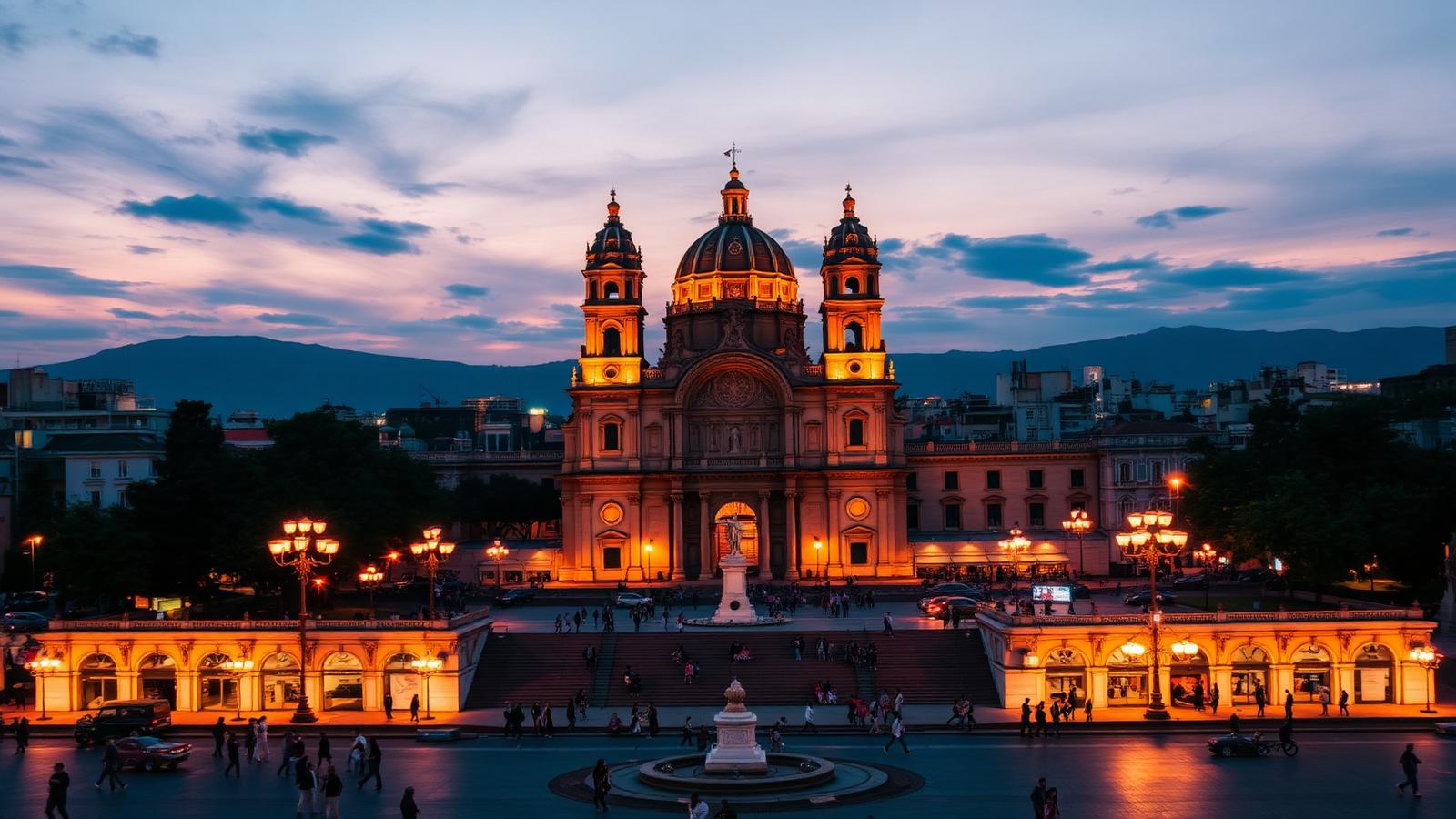
The air in Mexico City’s Colonia Morelos on a Sunday morning smells of engine oil, frying masa, and wood varnish. By 9:00 AM, the intersection of Paseo de la Reforma and Rayón transforms into a sprawling, frantic grid of blue tarpaulins. This is La Lagunilla, a flea market that functions as the city’s attic, where high-end mid-century modern credenzas sit alongside rusted industrial fans and heaps of Lucha Libre masks. For the serious collector, however, the real treasure is smaller, heavier, and tucked into velvet-lined display cases near the corner of Calle Comonfort. Here, the "Silver Age" of Mexico is for sale, one hallmark at a time.
The Spratling Revolution and the Taxco Aesthetic
To navigate the stalls at La Lagunilla, one must understand why Taxco silver became a global obsession. In 1929, an American associate professor of architecture named William Spratling moved to the Guerrero hillside town. He didn't just mine silver; he reimagined it. Spratling rejected the ornate, European styles then popular in Mexico City in favour of Pre-Columbian motifs—bold, geometric interpretations of Aztec serpents and Mayan glyphs.
By the 1940s, his "Taller de las Delicias" workshop became a training ground for a generation of master smiths. When wandering the northern edge of the market, look for the heavy, chunky necklaces that define this era. The aesthetic is tactile and brutalist, often pairing 925 or 980 sterling silver with obsidian, amethyst, or turquoise. A genuine Spratling piece from the 1940s won't just look old; it will possess a certain "architectural" weight that modern reproductions fail to mimic.
Deciphering the Hallmarks
The difference between a £40 souvenir and a £1,200 investment piece lies entirely on the reverse side of the brooch or link. Authentication at La Lagunilla requires a jeweler’s loupe and a cynical eye. Before 1948, Taxco silver was rarely marked with anything more than "925" and perhaps the artist's name. However, the golden era of identification began in 1948 with the introduction of the "Eagle" mark—a small stamped silhouette of a bird with a number on its chest indicating the city or the specific maker.
Seek out the "Eagle 1" or "Eagle 30" stamps. These are the hallmarks of William Spratling and Héctor Aguilar, respectively. If you find a piece marked with an interlocking "WS" inside a circle, you have hit the Sunday jackpot. Be wary of marks that appear too crisp or uniform; hand-stamped silver from the 1940s often shows slight variations in depth. The eagle mark was phased out in 1979 in favour of a letter-and-number system (like "TC-54"), so if you are hunting for true mid-century vintage, the eagle is your primary target.
The Masters: Aguilar, Castillo, and Pineda
While Spratling is the headline name, savvy collectors at La Lagunilla keep an eye out for his most talented disciples. Héctor Aguilar, who managed Spratling’s workshop before opening Taller Borda in 1939, is known for his "belt" motifs and heavy, soldered links. His pieces are often more feminine but no less substantial.
Then there are Los Castillo. Founded by four brothers who trained under Spratling, this workshop pioneered "Metales Casados" (married metals), a technique where silver, copper, and brass are fused into a single seamless surface to create polychromatic patterns. If you spot a pitcher or a tray with a bird motif where the colours don't seem painted on but rather part of the metal itself, you are looking at a Los Castillo masterpiece.
Finally, Antonio Pineda is the name to remember for modernist aficionados. His work is characterised by "set-in" stones—pearls or onyx held in place by the tension of the silver frame rather than prongs. These pieces are sculptural, often appearing as though they belong in a gallery rather than a flea market stall.
Navigating the Stalls of Calle Comonfort
The market is a maze, but the "Antique" section is loosely concentrated along Calle Comonfort. This is where the casual bric-a-brac gives way to serious dealers like Mario Uribe, whose family has occupied these streets for decades. Unlike the clothing vendors near the metro station, these dealers know exactly what they have.
Prices here are quoted in pesos, and while haggling is expected, it should be done with respect. A 10% to 15% discount is reasonable; asking for half price on a signed Matilde Poulat brooch is an insult. Examine the "hinges and pins" on brooches. Authentic 1940s pieces often feature a "C" clasp without the safety spin found on modern jewelry. If the silver feels too light or "tinny," it is likely alpaca—a nickel alloy with no silver content. Bring a small magnet; if the piece sticks, it’s a fake. Sterling silver is non-magnetic.
The Mid-Century Modernist Influence
As the 1950s took hold, Taxco silver moved away from the heavy Pre-Columbian look toward an international modernist style. This era produced some of the most wearable treasures found at La Lagunilla. Look for "ribbon" chokers and "amoeba" shaped earrings that evoke the paintings of Joan Miró or the sculptures of Alexander Calder.
Designers like Margot de Taxco (Margot van Voorhies Carr) specialised in champlevé enamel—intricate silver wirework filled with vibrant glass pastes. Blue and gold serpent necklaces and floral sets are her trademark. When inspecting enamel at the market, check for "flea bites"—tiny chips in the glass. While a few are acceptable in a 70-year-old piece, large cracks significantly devalue the item. These designs represent the moment Mexico City became the undisputed capital of Latin American cool, a sentiment that still breathes through the dust and jazz records of the Sunday market.
If you go
La Lagunilla takes place every Sunday from roughly 9:00 AM to 4:00 PM. Take a radio taxi or an Uber to the corner of Calle Comonfort and Paseo de la Reforma; avoid walking into the market from the Guerrero or Tepito sides if you are unfamiliar with the area. Pack a bottle of water, wear closed-toe shoes, and carry cash in small denominations, as very few vendors accept cards. For a post-hunt lunch, head to the nearby Hostería de Santo Domingo for their legendary chiles en nogada, a dish as historic as the silver you’ve just acquired.