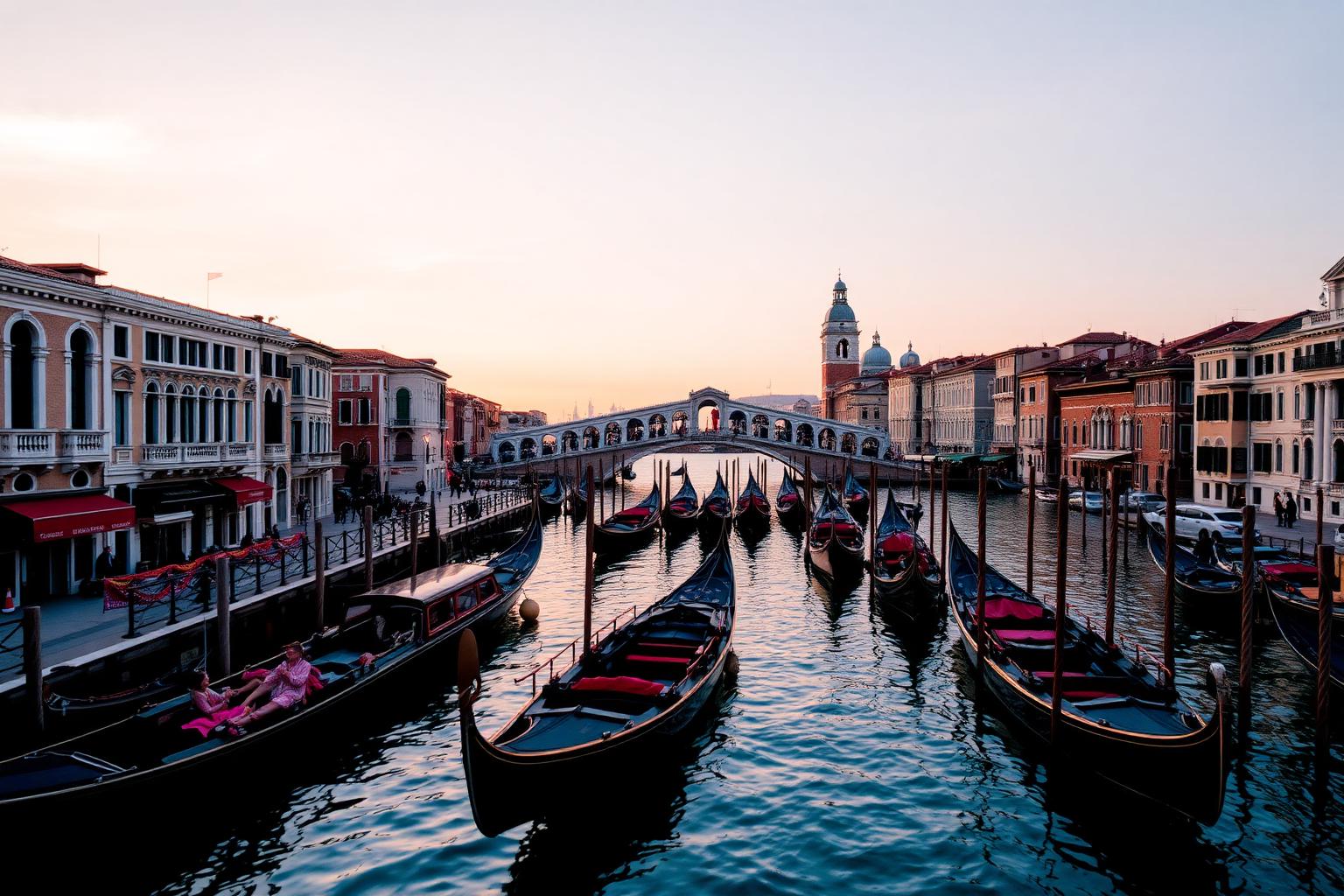
The scent of the Venetian lagoon in spring is a sharp cocktail of salt, damp stone, and the distant woodsmoke of mainland furnaces. In the sestiere of San Marco, the Campo San Maurizio remains one of the few squares that resists the pull of the plastic mask stalls. Five times a year, the grey trachyte paving stones are obscured by a sea of timber trestle tables. This is the Mercatino dell'Antiquariato, a nomadic assembly of the finest regional pickers, where the debris of fallen palazzos is sold off under the watchful eye of the leaning campanile of Santo Stefano. Here, history is not a static museum piece; it is a heavy brass door knocker in the shape of a lion’s head, waiting for a new home.
The Rhythm of the Trestles
The market does not operate on a standard tourist clock. It follows a calendar dictated by the Associazione Espositori Antiquariato, typically falling on select weekends in April, June, September, October, and the pre-Christmas rush of December. Unlike the chaotic thrifting found in the terraferma markets of Mestre, San Maurizio is curated. The vendors are vetted professionals, many of whom have held the same corner spot for decades.
Proceedings begin at 9:00, but the serious collectors—the 'Veneziani' who know the difference between mid-century Murano and modern imitation—arrive as the last of the morning mist lifts from the Grand Canal. There is a specific choreography to the browsing here. One does not rush. One starts at the corner near the Calle dello Spezier and works clockwise, ensuring that every tray of silver forks and every stack of 18th-century etchings is properly appraised.
Gondola Ornaments and Naval Splendour
The true prizes of the Campo San Maurizio are the remnants of Venice’s maritime identity. Look for the fero da prova—the iron comb that sits at the prow of a gondola. While full-sized antiques are cumbersome for a suitcase, smaller, decorative bronze miniatures of these ornaments are common.
Seek out stalls belonging to longtime exhibitors like Franco della Toffola. These tables often groan under the weight of heavy silver boat hooks and vintage maritime compasses. A specific item to hunt for is the forcola—the sculptural, walnut oar-rest of a gondola. While a new one from a workshop like Paolo Brandolisio costs a fortune, a weathered, retired forcola found in the market carries the scars of years on the water and serves as a piece of abstract art.
Engraved silverware from the historic hotels of the Lido is another local speciality. Look for pieces stamped with the insignia of the Hotel Excelsior or the Grand Hotel des Bains; these heavy, hotel-grade silver teapots offer a tangible link to the Belle Époque era of the Venetian coastline.
The Fabric of the Serenissima: 1920s Lace and Silk
Venetian elegance was built on the loom, and the market is perhaps the best place in Italy to find authentic Burano lace and Fortuny-style textiles without the boutique price tag. On the tables scattered near the church of San Maurizio, collectors can find lace collars from the 1920s that are as delicate as spiderwebs.
The discerning eye should look for the iridescent sheen of vintage silk velvet. Occasionally, remnants of Rubelli fabrics or Mariano Fortuny’s pleated Delphos silks surface among the piles of linen. Check for the authenticity of the weave; real Venetian lace from the early 20th century has a structural integrity that modern machine-made imitations lack. If a piece of lace feels too white and too stiff, it is likely a tourist trap supplement. You want the creamy, buttery patina of age.
Paper Trails and Grand Tour Ephemera
For those with a penchant for the written word, the market is a repository of "museum-quality" paper. Venice was the printing capital of the world during the Renaissance, and that legacy persists in the stalls overflowing with vellum-bound books and hand-coloured maps.
Specific vendors specialise in Grand Tour ephemera—postcards sent by 19th-century travellers, sketches of the Rialto Bridge before the modern electrification of the city, and opera programmes from the Teatro La Fenice. Look for the etchings of Canaletto’s followers; while a genuine 18th-century plate will cost several hundred Euro, the mid-19th-century reproductions offer a similar aesthetic for a fraction of the cost. These are not mere souvenirs; they are artefacts of a city that has been documented more than any other on earth.
Navigating the Deal: The Local Protocol
Haggling at Campo San Maurizio is an exercise in restraint. This is not a Moroccan souk; it is a high-end antique fair. A polite enquiry about the "best price" (il prezzo migliore) is acceptable, particularly if purchasing more than one item. The vendors value knowledge. If you can identify the specific glassblower of a 1960s Venini vase or the era of a piece of pewter, they are more likely to engage in a conversation that leads to a discount.
Carry cash in smaller denominations. While many vendors now accept cards for significant purchases, the smaller treasures—an enamel lapel pin, a set of glass buttons, or a 1930s map—are often settled in Euro notes. The sunset hours on a Sunday are the prime time for bargains. As the vendors begin to pack their wooden crates, the desire to lighten their load for the boat ride home often results in a sudden, sharp drop in prices.
If You Go
Timing: The market usually runs from Friday to Sunday, 09:00 to 19:00. Check the official Associazione Espositori Antiquariato website for specific dates, as they change annually. Location: Campo San Maurizio, San Marco. It is a five-minute walk from Piazza San Marco or a three-minute walk from the Santa Maria del Giglio vaporetto stop. Refreshments: Avoid the high-priced cafes on the main thoroughfare. Retreat to Vino Vino on the nearby Ponte delle Veste for a glass of local Malvasia and a plate of cicchetti once the shopping is done. Transport: If buying large items, be aware that you are responsible for transport. Most high-end dealers can arrange shipping, but for mid-sized objects like mirrors or lamps, ensure you have a plan for getting them onto a water taxi or the Vaporetto.