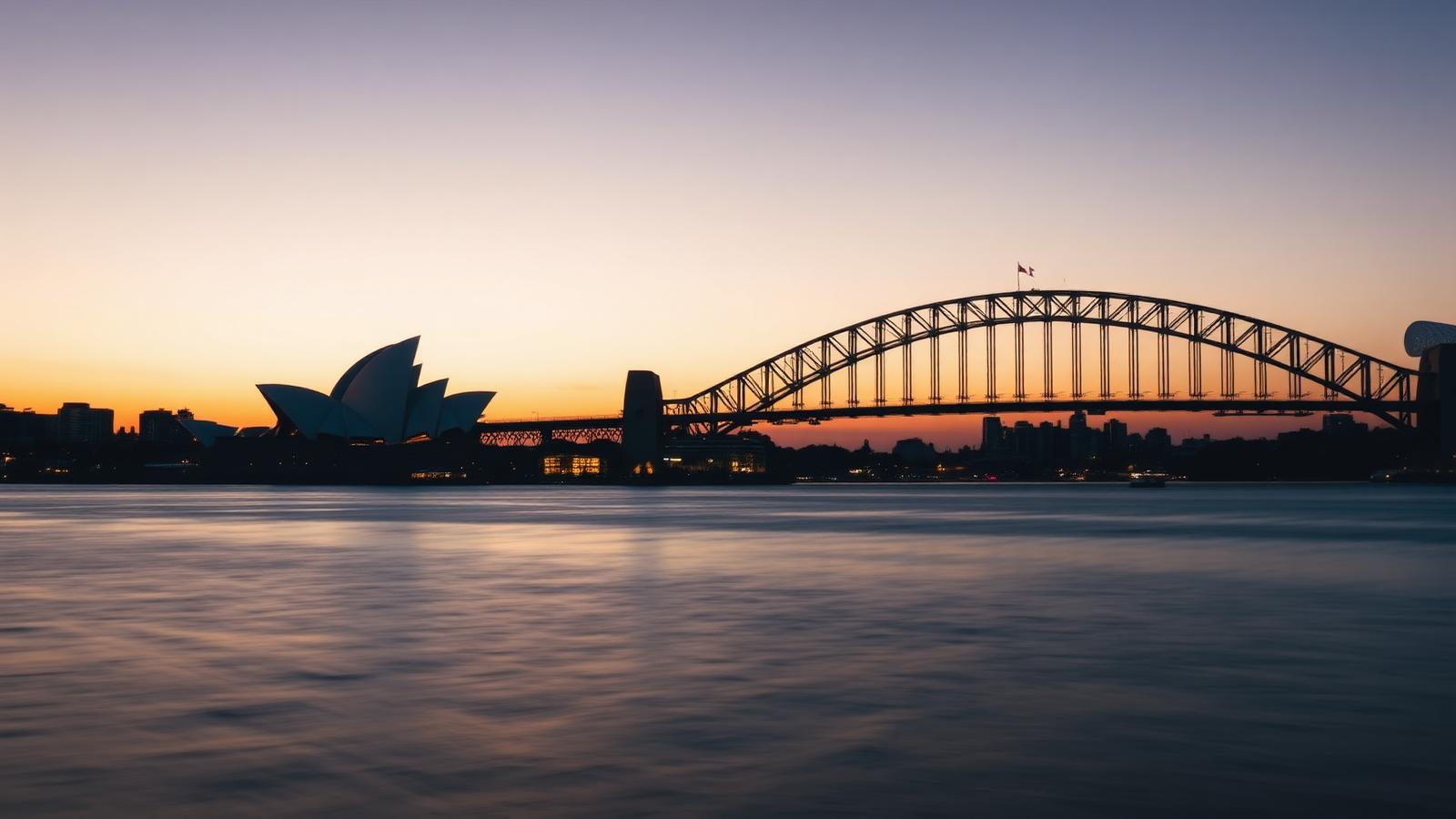
Sydney Opera House
Perched on the edge of Bennelong Point, the Sydney Opera House is less a building and more a structural masterpiece that defines the Australian skyline through its soaring, sail-like ceramic shells.
What to expect — what visitors actually see/do
The structure is divided into two primary experiences: the exterior precinct and the interior performance halls. Walking the granite promenade that wraps around the base of the sails provides a tactile sense of the building’s scale; you can run your hand along the one million chevron-patterned Swedish tiles that shimmer with subtle off-white and cream hues.
Most visitors opt for a one-hour guided tour, which grants access to the hidden foyers and the cavernous Concert Hall, often featuring the world’s largest mechanical tracker-action organ. If you aren't attending a performance, visit the Bennelong restaurant or the Opera Bar on the lower concourse, where the water laps at the seawall and the view frames the Sydney Harbour Bridge against the sunset.
History & significance — brief background
Designed by Danish architect Jørn Utzon and opened in 1973, the Opera House was plagued by budget blowouts and political infighting during its decade-long construction. Utzon famously resigned before completion, leading to a complex interior fit-out that diverged from his original vision. Despite the tumultuous history, it remains a UNESCO World Heritage site and a testament to structural expressionism, having fundamentally changed the way engineers approached vaulted geometry in the 20th century.
Practical tips — opening hours norms, tickets, queues, best time of day
- Hours: The building is generally accessible 9:00 am to late, depending on evening show schedules. The Welcome Centre opens at 9:00 am daily.
- Booking: Tours sell out quickly; book via the official website at least two weeks in advance.
- Photography: For the iconic "sails-and-bridge" shot, head to the Royal Botanic Garden’s "Mrs Macquarie’s Chair" at sunrise. Mid-morning offers the best light for the northern facade.
- Queues: Entry for performances is seamless, but security checks are standard—leave large bags at the cloakroom, as internal transit through the narrow hallways is tight.
Getting there — neighbourhood, transport
The Opera House sits at the tip of the Sydney CBD in the Bennelong Point precinct.
- Ferry: The most spectacular way to arrive is via Circular Quay wharf, a five-minute walk from the building.
- Train/Bus: Circular Quay station is the main transit hub and is served by all major train and light rail lines.
- Car: Avoid driving; parking at the Opera House car park is notoriously expensive. Use the extensive public transit network.
Nearby — 2-3 sights or eats within walking distance
- Royal Botanic Garden: Directly east of the Opera House, this 30-hectare oasis is perfect for a quiet walk once the crowds at the harbour become overwhelming.
- The Rocks: A 10-minute walk west takes you into the historic heart of Sydney. Wander the cobbled laneways for colonial architecture and weekend markets.
- Gateway Sydney: For a quick, high-quality bite, this food precinct near Circular Quay offers a diverse range of reliable options, from artisanal dumplings to modern Australian cafes.