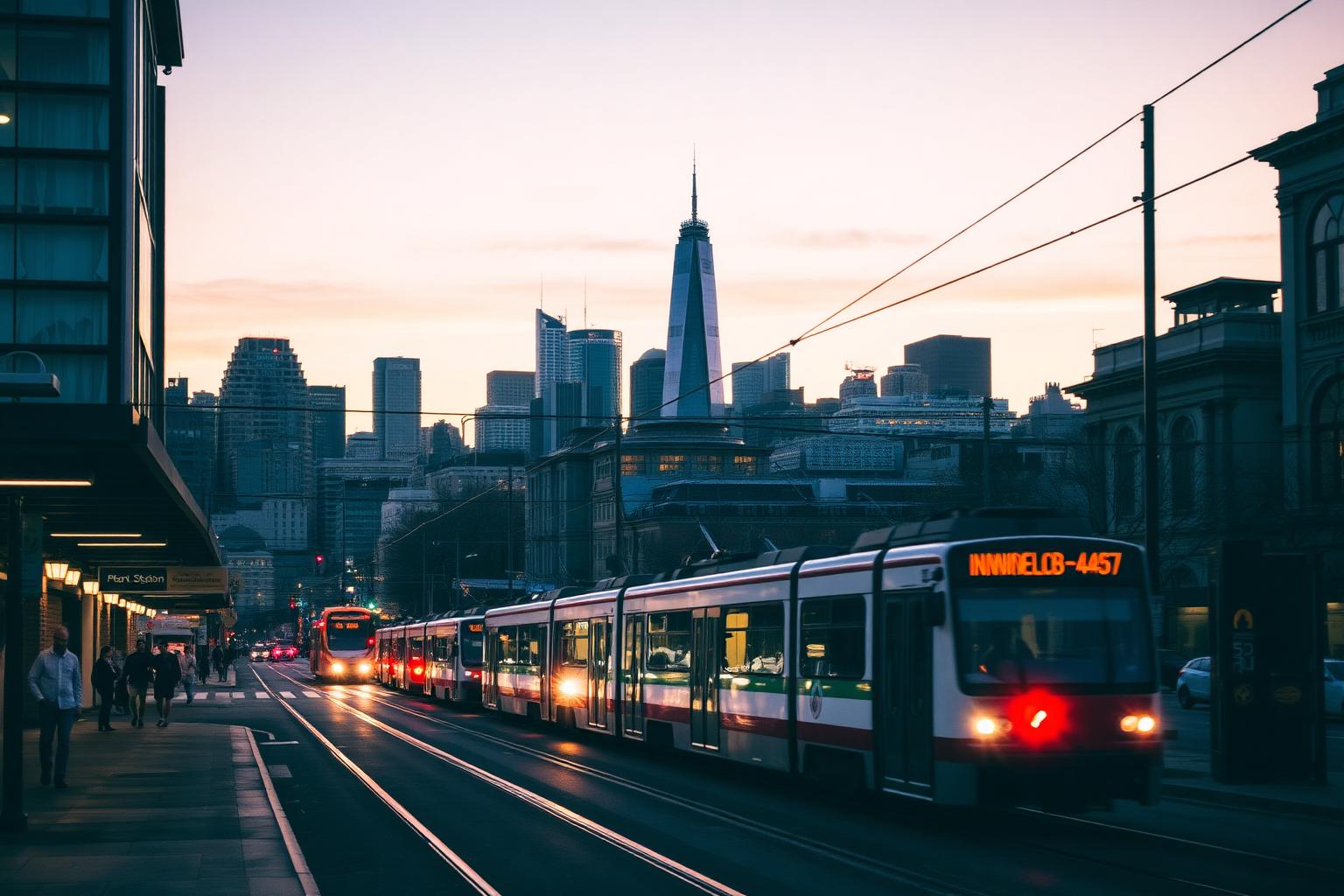
The fluorescent hum of a hotel lobby is where productivity goes to die. In Melbourne, the city doesn’t truly begin to breathe until the office towers empty and the lifts descend. For the digital nomad, the standard strategy is to hunt for a library or a chain cafe with reliable Wi-Fi, but the real work—the deep, uninterrupted flow—happens six feet underground. Between the bluestone bricks of the Hoddle Grid, there is a subculture of dark wood, low lighting, and heavy curtains where the rattle of a cocktail shaker provides a better soundtrack for a deployment cycle than a Spotify chill-hop playlist ever could. This is the professional’s underworld, where the air smells of old gin and expensive ink.
The Laneway Sanctuary: Chuckle Park
Tucked into a narrow sliver off Little Collins Street, Chuckle Park serves as an outdoor-indoor transitional office that defies the typical Melbourne sprawl. It is effectively a converted laneway, draped in silk flowers and string lights, anchored by a tinned-caravan bar. While the weekend crowds can swell, a Tuesday night here offers a strange, focused quietude.
Choose a stool at the back beneath the overhanging greenery. The Wi-Fi is stable, but the draw is the atmosphere of a jungle hidden within a concrete desert. Order a ‘Pulled Pork Slider’ if the hunger hits at 10:00 PM; it is small enough to eat with one hand while the other remains on the trackpad. During a Melbourne winter, the ceiling heaters create a microclimate that prevents the dreaded finger-stiffness of late-night typing. It is a space for those who find the silence of a silent study room deafening.
The Attic Perspective: Hell’s Kitchen
Technically an upper-floor retreat rather than a basement, Hell’s Kitchen on Centre Place is the spiritual sibling to the subterranean scene. It overlooks one of the city’s most photographed laneways, yet it remains stubbornly unpretentious. Scale the narrow stairs and find the corner table overlooking the street below.
The lighting is notoriously dim, amber-hued, and forgiving on the eyes after six hours of staring at a screen. This is where the local creative class—writers, designers, and systems architects—hide in plain sight. Unlike the shiny, glass-fronted bars on Flinders Lane, Hell’s Kitchen doesn’t turn the music up to a roar. It maintains a consistent, low-frequency hum. The drink of choice for a long session is a local Coopers Sparkling Ale or a stiff Negroni; the latter is a deliberate, slow-sipping companion for a complex refactoring job.
Subterranean Focus at Beneath Driver Lane
For the high-stakes project that requires absolute sensory isolation, head to the basement of the old GPO at Beneath Driver Lane. This is a cavern of arched brickwork and candlelit booths. It feels less like a bar and more like a gentleman’s library from a century ago, repurposed for the laptop-wielding era.
The booths are the gold standard for ergonomics in a non-office environment. They offer high backs, providing a visual shield from the rest of the room. The soundtrack is strictly blues—think Muddy Waters and Junior Wells—at a volume that encourages concentration rather than conversation. The service is discreet; staff won’t hover or pressure for another round. If the brain starts to lag, the steak tartare is a sharp, protein-heavy midnight fuel that outperforms any vending machine snack.
The Industrial Alibi: Section 8 and Beyond
If the mood demands a more industrial edge, the transition from the polished CBD towards Chinatown leads to Section 8 on Tattersalls Lane. While famously an open-air container bar, its proximity to quiet alcoves makes it a strategic base. However, for those who need a roof and a solid table, the adjacent sibling bars offer a more structured environment.
The secret is to look for the bars that serve a ‘Melbourne Pour’—heavy on the quality, light on the pretension. The benches here aren't designed for comfort; they are designed for posture. There is something about the rough-hewn timber and the graffiti-laden walls that strips away the need for performance. It is a raw space for raw work. When the code is crashing or the deadline is an hour away, the grit of a laneway bar provides the necessary friction to get the job done.
The Nocturnal Rhythm of the Grid
Melbourne’s CBD is unique because it doesn't shut down after the 5:00 PM exodus. The city’s ‘24-hour’ label is often debated, but for the nomad, the hours between 9:00 PM and 1:00 AM are the golden window. The tourist crowds have migrated back to their hotels, and the after-work drinks crowd has cleared out. What remains is a quiet, dedicated population of night owls.
In these spaces, the social contract is different. A person with a laptop and a glass of whisk(e)y is a fixture of the furniture. There is no social stigma to solitary productivity here. In fact, the anonymity of the basement bar is its greatest asset. You are just another shadow against the brickwork, another flickering screen in the dark, contributing to the city’s silent digital engine.
If you go
Connectivity: Most CBD bars do not advertise public Wi-Fi. It is essential to bring a high-speed hotspot or ensure your data plan can handle the heavy lifting. Etiquette: Always buy a drink or a snack every 90 minutes. If the venue hits capacity, be prepared to pack up; the nomad lives by the grace of the house. Safety: Stick to the main arteries—Elizabeth, Swanston, and Collins Streets—when moving between laneways late at night. Peak Times: Avoid Thursday and Friday nights if you require silence. Monday through Wednesday are the prime evenings for subterranean focus.