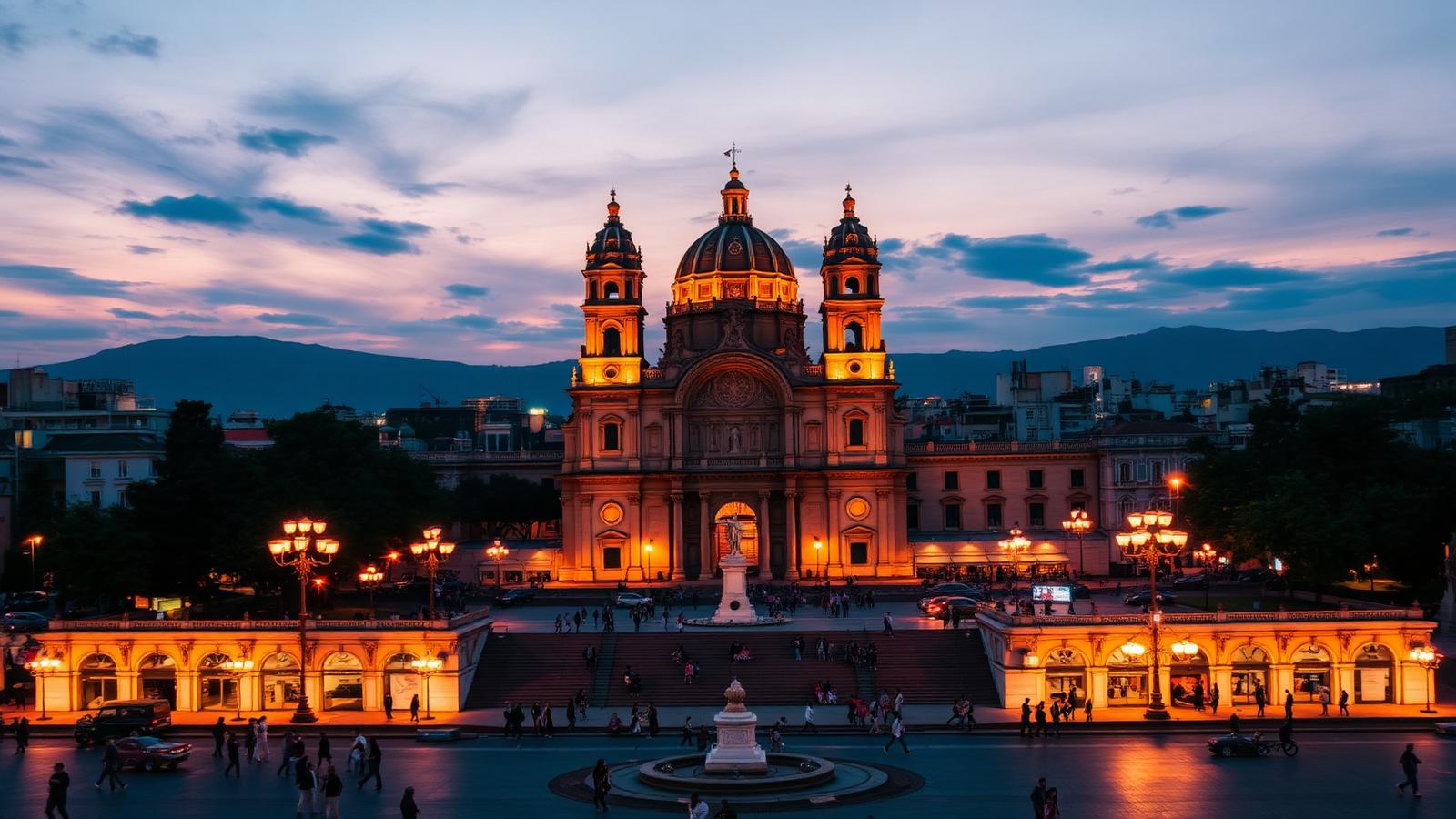
The dry heat of the Oaxacan central valley carries the scent of roasted cacao and diesel exhaust, but on Friday mornings at the corner of Calle de los Libres and Calle de Quintana Roo, the air thickens with the smell of old cedar and sun-dried cotton. Here, the Tianguis de Libres—a weekly market often overlooked in favour of the sprawling Tlacolula—becomes a quiet battlefield for serious textile collectors. There is no neon signage. There are no gift-wrap options. Instead, there are stacks of heavy, indigo-dyed fabric and hand-spun silk huipils (traditional tunics) dating back to the mid-20th century, laid out on plastic sheets or hung from iron gates. To the uninitiated, it is a pile of second-hand clothes; to the obsessive, it is an open-air archive of Mexican modernism.
The Mid-Century Loom: Why 1950s Matters
In the world of Oaxacan textiles, the decades between 1940 and 1960 represent a final golden era of technical purity. Before the introduction of synthetic threads and chemical dyes, weavers in villages like San Bartolo Yautepec and Jalapa de Díaz utilised hand-spun seda de bosque (forest silk) and cochineal-dyed wool. A 1950s huipil is distinct from its modern counterpart by its weight and the "tightness" of the backstrap loom weave.
Collectors seek out pieces from this era because they were constructed to last several lifetimes. The silk, harvested from wild silkworms, has a matte, almost gritty texture that softens into a liquid drape over seventy years. In these vintage finds, the geometric iconography—frequently featuring the árbol de la vida (tree of life) or the sacred mountain zig-zags—is rendered with a mathematical precision that modern production, accelerated by the tourist demand, sometimes lacks. Placing one of these pieces on a wall or a mannequin isn’t just home styling; it is an act of preservation.
Navigating the Stalls at Tianguis de Libres
The Libres market is small, concentrated, and demands an early start. By 8:30 am, the best pieces are being haggled over by local enthusiasts and curators. Unlike the polished boutiques on Calle de Alcalá, there are no price tags. You must look for the "ladies of the coast," vendors who travel from the Isthmus of Tehuantepec or the Mixteca Alta with bundles of heirlooms.
Focus on the back-alley stalls tucked behind the main fruit and vegetable rows. Ask specifically for huipiles de gala or pieces that are antiguo. If a vendor pulls a garment from a cedar chest or a heavy drawstring bag rather than a plastic crate, pay attention. The hallmark of a true 1950s piece is the "join"—the central seam where two panels of fabric are united. In mid-century garments, this is often decorated with a randa, an intricate, tooth-like stitch often done in contrasting silk thread. If the randa is hand-stitched and the fabric feels cool and heavy like stone, you have found the real thing.
Beyond the Market: The Curated Caches
While the thrill of the hunt defines the Libres market, a handful of spaces in the city centre treat these garments with the reverence of a gallery. Remigio Mestas, located on Avenida Hidalgo, is perhaps the most famous name in Oaxacan textiles. While he commissions new works of extraordinary quality, his private collection and occasional sales of older pieces set the benchmark for what a museum-grade huipil should look like.
For those who prefer a more bohemian, "dusty-shelf" discovery, Tienda de Raya on Calle de Abasolo offers a rotating selection of vintage textiles mixed with antique mezcal bottles and religious folk art. It is here where you might find a 1960s velvet huipil from the Isthmus—the kind made famous by Frida Kahlo—decorated with chain-stitch embroidery that ripples under the thumb. These pieces are often structurally sound enough to be worn to a gallery opening, though their true value lies in their status as "wearable architecture."
The Art of the Display: From Torso to Wall
To treat a vintage huipil as a high-fashion object for the home, one must abandon the hanger. The T-shaped silhouette of a traditional Mexican tunic is best appreciated when fully extended. Heavy 1950s cottons from San Juan Copala, with their thick red stripes and intricate gauze weave, should be mounted on a simple black-lacquered acrylic rod or a slender piece of local palo mulato wood.
Lighting is critical. The subtle variations in hand-dyed indigo or the crimson of the cochineal beetle fade under direct sunlight. Position these pieces in hallways or formal dining rooms where they can be lit from the side to catch the texture of the raised embroidery. A single mid-century San Juan Colorado huipil, with its minimalist cream base and dark purple accents, can anchor a room more effectively than a modern oil painting. It brings a sense of gravity—a reminder that the object in front of you took three months to weave and seventy years to reach your wall.
If You Go
- When: The Tianguis de Libres takes place every Friday, roughly from 8:00 am to 3:00 pm. Arrive before 9:00 am for the best textiles.
- Where: Calle de los Libres, between Calle de Quintana Roo and Calle de la Constitución.
- Etiquette: Haggling is expected but should be respectful. These are handmade histories, not factory disposables. Carry cash in small denominations; credit cards are non-existent in the market.
- Cleaning: Never dry-clean a vintage silk or cotton huipil. If it needs refreshing, a gentle steam is usually sufficient. For serious stains, consult a textile conservator rather than a local cleaner.
- Transport: If buying multiple pieces, consider purchasing a hand-woven maleta (palm basket) from the same market to transport them home safely without crushing the delicate silk fibres.