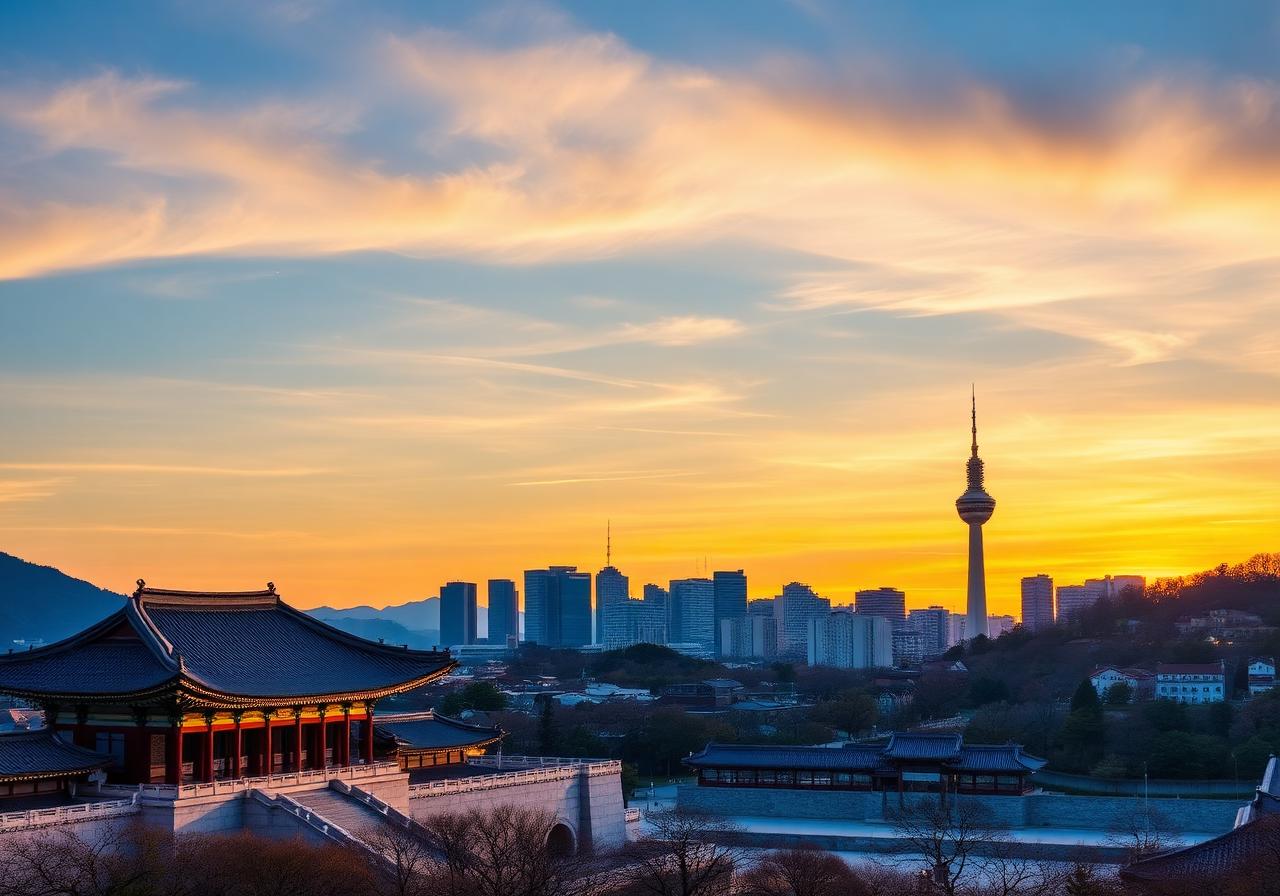
Insadong
Insadong is the cerebral heart of Seoul, a narrow, winding artery where the scent of aged cedar and herbal tea clings to the air, bridging the gap between Korea’s Joseon-era past and its modern creative identity.
What to expect — what visitors actually see/do
The main thoroughfare, Insadong-gil, is a pedestrian-friendly promenade lined with red-brick galleries, antique bronze shops, and traditional craft boutiques. As you walk, listen for the rhythmic thwack of woodblock carvers and the soft jazz playing from hidden courtyards.
The undisputed centerpiece is Ssamzigil, a four-story open-air shopping complex designed around a continuous, gentle spiral ramp. Instead of traditional storefronts, its levels are populated by independent artisans selling minimalist silver jewelry, hand-dyed silk scarves, and quirky graphic art. Further along the main street, look for pilbang (calligraphy shops) displaying rows of badger-hair brushes and fine hanji (mulberry paper) that feels like pressed fabric. Unlike other tourist districts in Seoul, Insadong is best experienced by ducking into the jjilmok—the narrow alleys branching off the main drag—where you will find intimate tea houses serving thick ssanghwatang (medicinal herbal tea) and steamed rice cakes.
History & significance — brief background
During the Joseon Dynasty, Insadong was a hub for government-sanctioned painters and intellectuals. Following the Japanese occupation, the district became a center for the art trade, as impoverished aristocrats sold their family heirlooms, leading to the proliferation of the antique shops that define the area today. While it has modernized, government regulations have strictly preserved its aesthetic, banning neon signs and franchise convenience stores in favor of traditional wooden signage.
Practical tips — opening hours norms, tickets, queues, best time of day
- Best Time: Visit on a weekday morning (around 10:00 AM) to experience the quiet, scholarly atmosphere before the crowds arrive. Sunday afternoons are vibrant but significantly more congested.
- Operation: Most galleries and Ssamzigil shops open between 10:00 AM and 10:30 AM. Smaller artisanal workshops may have unpredictable lunch breaks or close as early as 7:00 PM.
- Navigation: There is no entry fee for the district. Wear comfortable walking shoes, as the paving is often uneven to maintain its historic character.
- Cash: While most shops accept cards, smaller stalls selling street snacks like ddong-ppang (poop-shaped red bean bread) may prefer cash.
Getting there — neighbourhood, transport
Insadong is located in the Jongno-gu district. The most convenient method is the subway: take Line 3 to Anguk Station (Exit 6). From there, it is a three-minute walk to the entrance of Insadong-gil. Alternatively, Jongno 3-ga Station (Lines 1, 3, and 5, Exit 5) leaves you at the southern end of the district.
Nearby — sights and eats
- Jogyesa Temple: A five-minute walk north, this is the center of Korean Zen Buddhism, famous for its hanging lotus lanterns and massive ancient locust trees.
- Bukchon Hanok Village: A short walk uphill from Anguk Station, this preserved neighborhood features hundreds of traditional hanok houses set against a backdrop of the modern Seoul skyline.
- Restaurant Tip: Skip the big tourist traps and look for Chon, a humble establishment tucked into an alley, renowned for its pajeon (scallion pancakes) and dongdongju (rice wine).