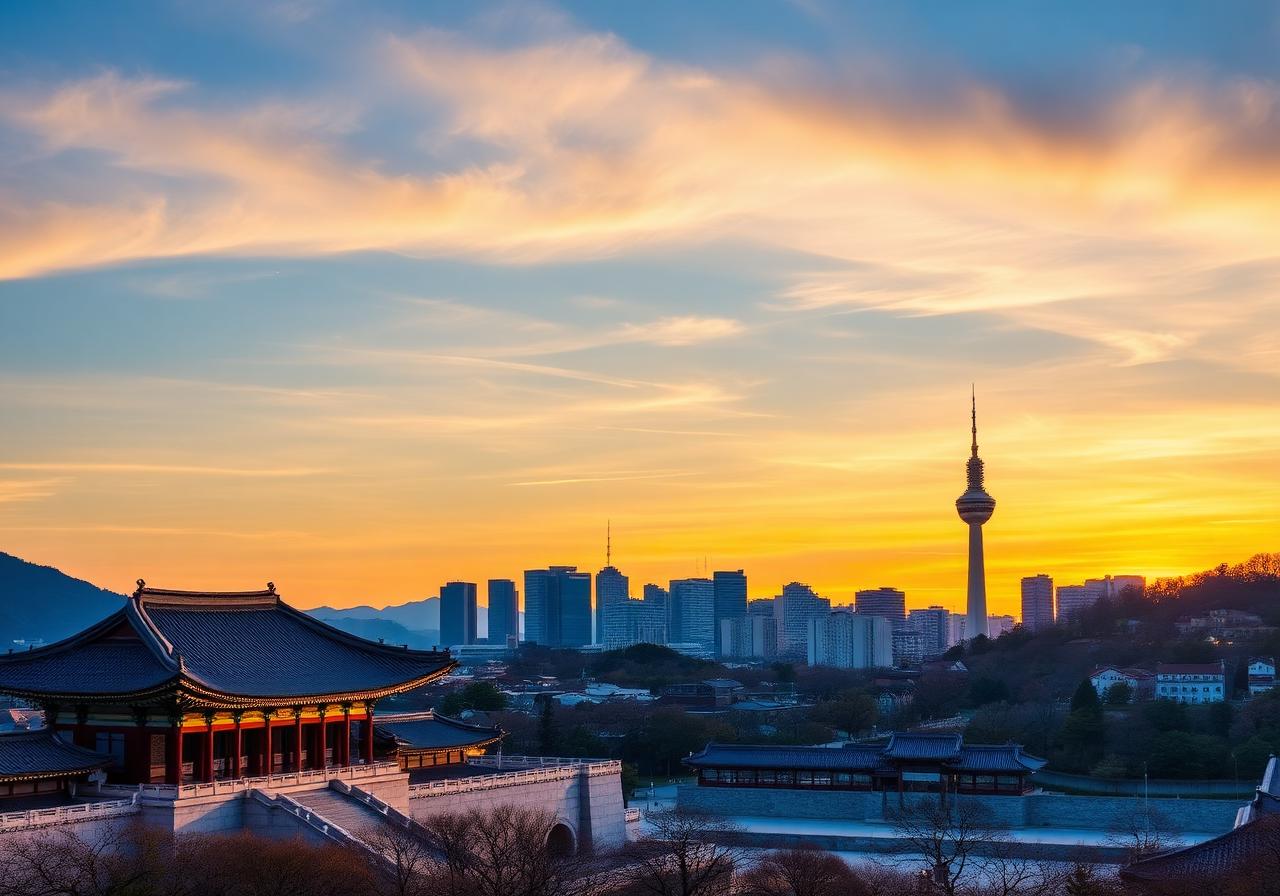
Gwangjang Market
Gwangjang Market is the sensory engine of Seoul, where the rhythmic sizzle of iron griddles meets the vibrant blur of vintage textiles in a sprawling, permanent bazaar. It is an unapologetic immersion into the culinary and cultural soul of the city, operating with an intensity that has remained unchanged for over a century.
What to expect
The market is divided into distinct zones: the labyrinthine food alley dominating the ground floor and the quieter, multi-level textile galleries above. In the central artery, you will find rows of open-air stalls occupied by women expertly flipping bindaetteok (savory mung bean pancakes) in pools of oil. The air is thick with the scent of fermented kimchi and charred meat. Beyond the food, head upstairs or to the peripheral alleys to find high-quality silk, hanbok fabrics, and linen sold by the bolt. Unlike the high-fashion malls of Gangnam, this is utilitarian, tactile commerce; expect to haggle gently and navigate tight, narrow aisles packed with local shoppers and curious travelers alike.
History & significance
Established in 1905, Gwangjang Market is South Korea’s oldest continuously operating traditional market. Originally created to foster domestic trade during the Japanese occupation, it has survived war, modernization, and the encroachment of department stores. Its resilience lies in its specialization; by pivoting to artisanal textiles and traditional street food, it has become a living museum of Korean working-class culture.
Practical tips
- Hours: Most stalls are open from 9:00 AM to 11:00 PM. Food stalls generally start serving around 10:00 AM, but the market is at its most kinetic between 6:00 PM and 9:00 PM.
- Payment: While some merchants accept credit cards, cash is king here. Keep small bills (1,000 to 10,000 KRW notes) on hand for easier transactions at food stalls.
- Crowds: Avoid weekend evenings if you dislike tight spaces. For a more relaxed experience, visit on a Tuesday or Wednesday morning.
- Etiquette: At the food stalls, sit at the provided stools. If a stall is full, wait patiently behind seated diners; turnover is very quick.
Getting there
The market is located in the Jongno-gu district. The most convenient access is via Jongno 5-ga Station (Seoul Subway Line 1). Use Exit 8; you will emerge mere steps from the main gate. Alternatively, Exit 7 offers a slightly shorter walk to the fabric section.
Nearby
- Cheonggyecheon Stream: A five-minute walk south leads to this iconic urban revitalization project. It provides a peaceful, shaded walkway to decompress after the sensory overload of the market.
- Bangsan Market: Located just a few blocks away, this is the city's wholesale hub for baking supplies and packaging. It offers a more industrial, "behind-the-scenes" glimpse of Seoul’s retail infrastructure.
- Ikseon-dong Hanok Village: A ten-minute walk west takes you to a historic neighborhood where traditional 1920s houses have been converted into ultra-modern cafes and boutique craft shops.